
Plant and microbial mechanism research
Connect genes, pathways, phenotypes, strains, environmental context, and literature to understand applied biological systems.
Purna AI helps R&D teams study biology beyond human disease, from plant traits and microbial pathways to enzyme function and engineered organisms. Connect literature, omics, pathways, sequence models, and experiment plans in one structured research workspace.
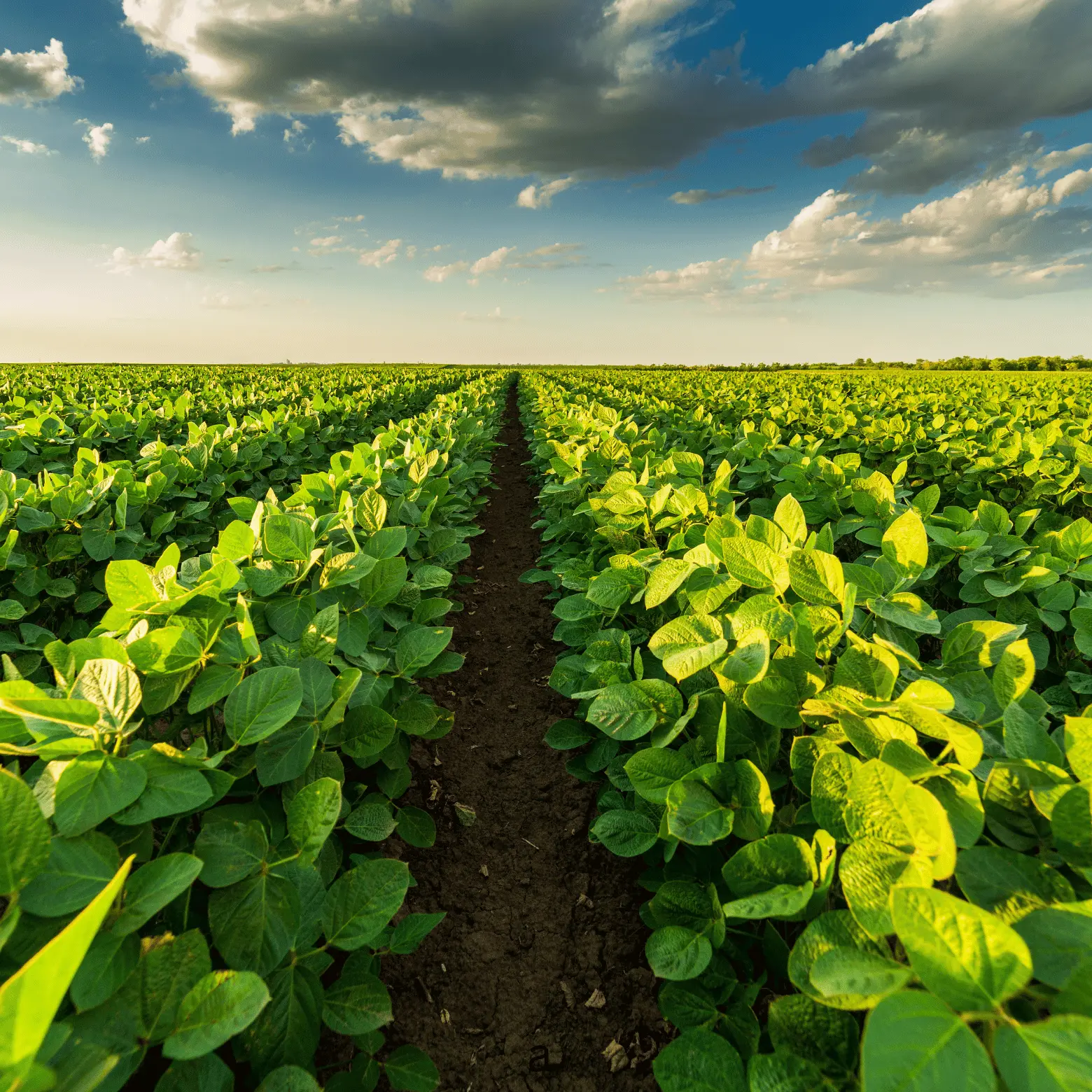
Connect genes, pathways, phenotypes, strains, environmental context, and literature to understand applied biological systems.
Review microbial factors, community context, stress responses, strain behavior, resistance mechanisms, and experimental evidence for R&D workflows.
Plan enzyme, protein, microbial, and synthetic-biology experiments with model outputs, literature evidence, and validation criteria in one workspace.
Connect traits, strains, genes, pathways, phenotypes, environmental conditions, and literature so applied biology work keeps the right organism and system context.
Map microbial factors, strain behavior, stress responses, community context, resistance mechanisms, and experimental evidence for applied research workflows.
Use protein language models, structure prediction, enzyme design, pathway evidence, and validation logic to support engineered biology programs.
Move from crop trait or stress-response questions to candidate genes, pathway hypotheses, experimental systems, and measurable readouts.
No scripting, no config files, no Slack-pinging the bioinformatics team.
“Identify genes and pathways linked to drought tolerance in this crop and propose validation assays.”
“Map this microbial pathway and suggest engineering strategies to improve product yield.”
“Compare these enzyme sequences and flag mutations likely to affect stability or substrate specificity.”
“Summarize how these microbes respond to heavy-metal stress and identify measurable readouts.”
“Design a synthetic-biology experiment to test this pathway change with controls and success criteria.”
“Connect this plant trait to candidate genes, known QTLs, and experiments for functional validation.”