
Hypothesis-to-protocol planning
Clarify the hypothesis, causal claim, model system, biological endpoint, and decision that the experiment needs to support.
Purna AI helps biology teams convert hypotheses into protocols, controls, readouts, model choices, risk checks, and interpretation plans before work moves to the bench.
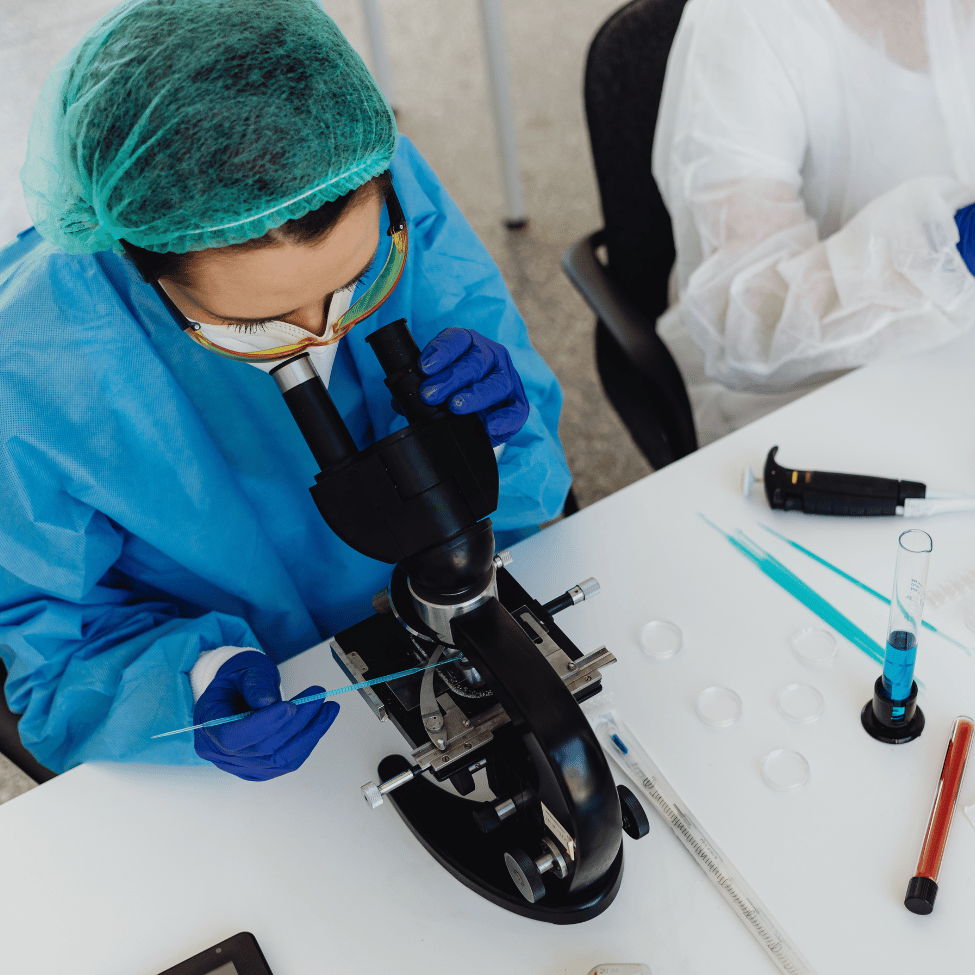
Clarify the hypothesis, causal claim, model system, biological endpoint, and decision that the experiment needs to support.
Compare positive controls, negative controls, perturbations, timepoints, assay modalities, and measurement endpoints.
Identify confounders, weak assumptions, missing controls, model-system caveats, and interpretation traps before execution.
Clarify the biological claim, model system, perturbation, endpoint, and decision the experiment must support before protocol details are drafted.
Compare controls and readouts as part of the same design so the final experiment has a clear interpretation path.
Review off-target effects, model-system caveats, dose artifacts, timing issues, missing controls, and interpretation failure modes early.
Create an organized plan with rationale, steps, controls, readouts, expected outcomes, failure modes, and next-step branches.
No scripting, no config files, no Slack-pinging the bioinformatics team.
“Convert this hypothesis into a protocol with model system, controls, readouts, and decision criteria.”
“Stress-test this experiment and identify missing positive controls, negative controls, and confounders.”
“Compare qPCR, flow cytometry, ELISA, and imaging readouts for this biological endpoint.”
“Build a study plan with replicates, timepoints, inclusion criteria, and interpretation logic.”
“Find the assumptions that could make this experiment inconclusive and suggest fixes before execution.”
“Define what result would support, weaken, or falsify this mechanism of action.”